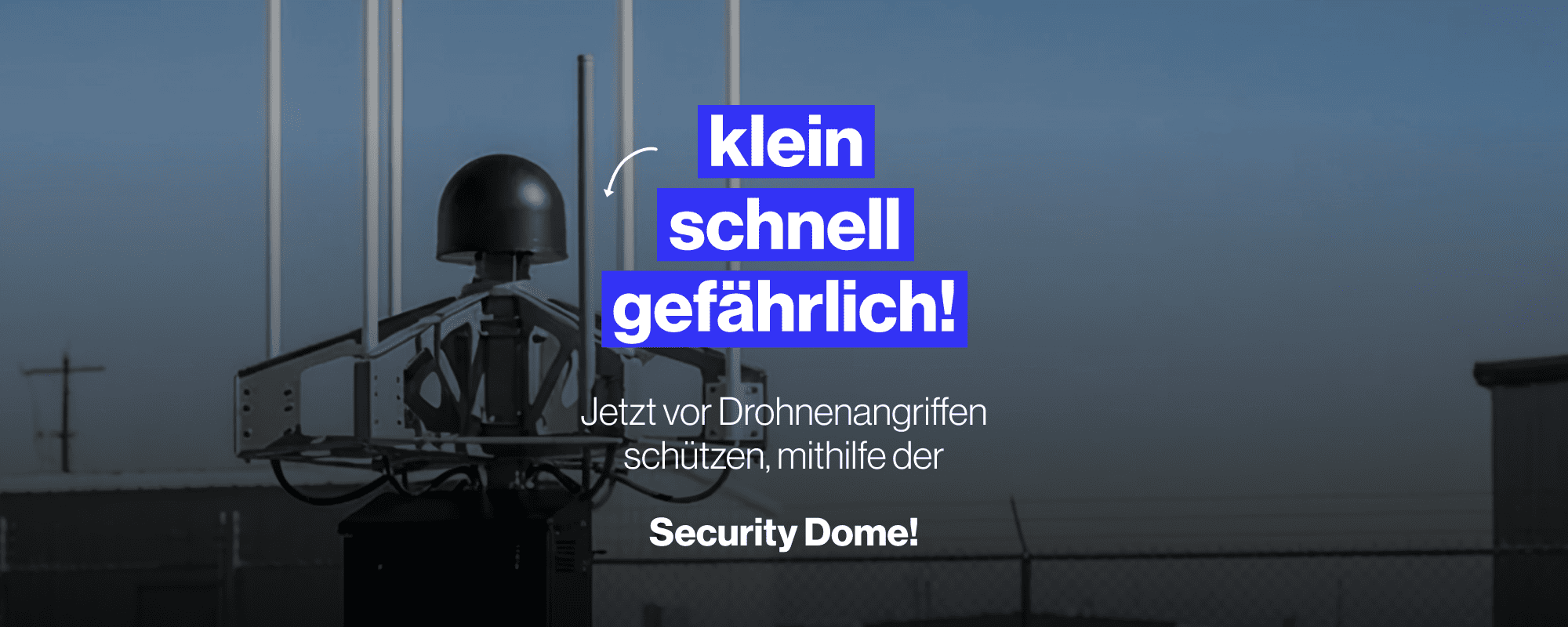
Protection for Critical Infrastructure: Strategies and Challenges
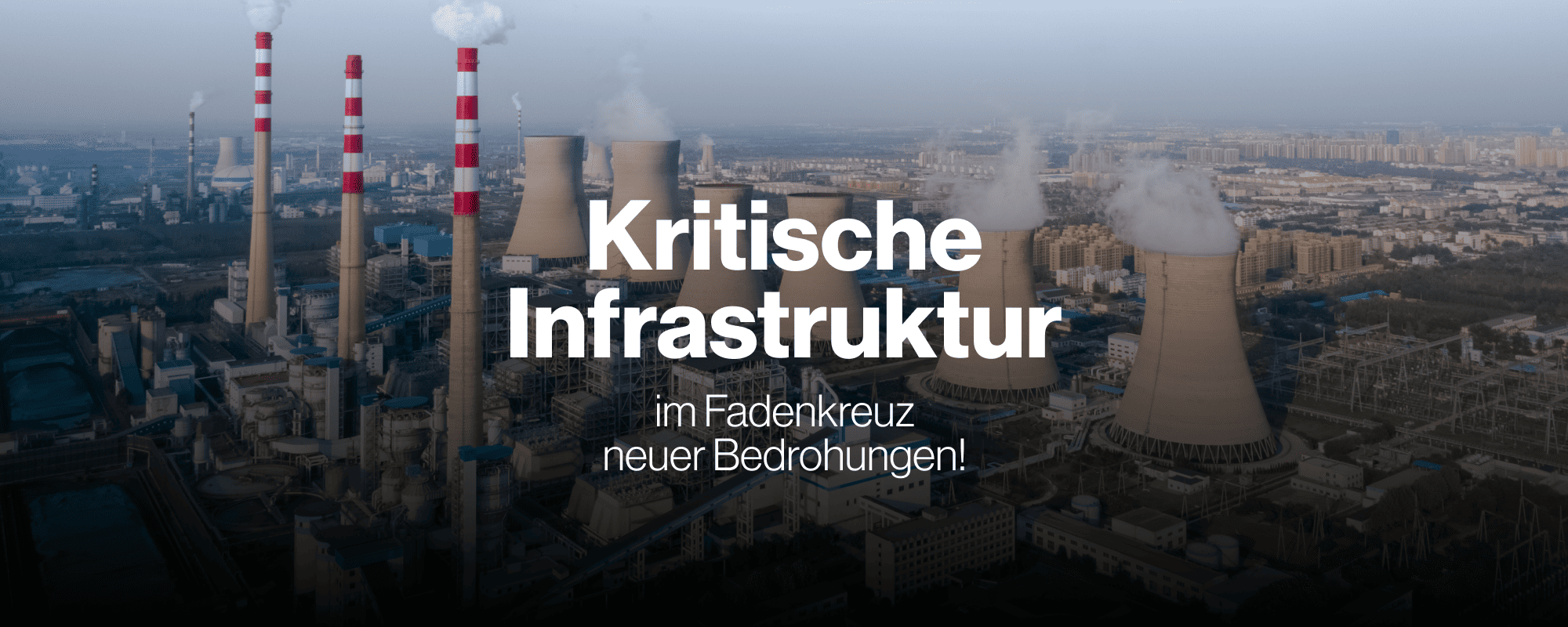
The Golem report on the "Operations Plan Germany" (O-Plan DEU) makes it clear that national and collective defense is no longer purely a military matter today. In an emergency, Germany is to function as NATO's logistical hub and enable the movement and supply of very large quantities of troops and material through German territory.
This inevitably brings the protection of critical infrastructure into focus. The O-Plan DEU explicitly involves civilian actors, including municipalities, emergency services, and critical infrastructure companies from the energy, IT, logistics, and healthcare sectors. At the same time, the report points to existing weaknesses: supply and healthcare systems prone to overload, and inadequately secured transport and energy networks.
Against this backdrop, this article categorizes the threats relevant to critical infrastructures today – from cyberattacks to drones – and outlines the strategies, technologies, and cooperation models, involving the German armed forces and authorities, that are necessary to sustainably strengthen resilience and operational capability in a crisis.
What is Critical Infrastructure? – Definition and Examples
Critical infrastructure refers to systems and facilities. These are essential for the functioning of society and the economy. Without them, daily life would be significantly disrupted.
Examples of critical infrastructure are wide-ranging. Energy supply networks are of central importance. Other important areas include communication networks and water distribution. In addition, there are transport routes and public health facilities. All these systems are necessary for public safety and order.
Some specific examples of critical infrastructures include:
- Hospitals: They ensure medical care.
- Energy supply networks: Provide electricity for households and businesses.
- Oil refineries: Ensure the supply of fuels and petroleum products.
- Industrial parks: Concentrate important production facilities and supply chains.
- Communication systems: Enable information exchange and emergency communication.
- Water supply systems, waterworks, and wastewater treatment plants: Provide clean water for daily use.
- Transport infrastructure: Enables passenger and freight transport.
Each of these infrastructures requires special protection. Different threats require individually tailored security measures. A failure of one of these infrastructures can have far-reaching consequences. Therefore, it is important to ensure their functionality at all times.
Significance and Risks: Why the Protection of Critical Infrastructure is Essential
Critical infrastructures are the backbone of our society. They ensure the normal functioning of essential public services. A failure can have catastrophic consequences, both socially and economically.
Risks to critical infrastructures include more than just technical failures. Climate change-related events, natural disasters, and targeted attacks also play a role. These factors increase the urgency of regularly reviewing and optimizing security.
A key aspect of protection is preventing outages. Even short-term disruptions can have significant impacts. For example, a power outage would cripple many sectors. This could affect healthcare, transport, and communication.
The importance of protecting critical infrastructure lies in its role for national security. An attack could lead to the destabilization of the entire system. This makes international cooperation and information exchange between countries crucial.
Cyberattacks are a growing threat. They can lead to systems being sabotaged remotely. The use of technology for defense measures is therefore essential. Artificial intelligence and machine learning help identify threats early.
Emergency plans are essential to be prepared for sudden attacks. These plans should be regularly tested and updated. Public and private sectors must work closely together to ensure resilience.
Threats to Critical Infrastructure: From Cyberattacks to Drones
Threats to critical infrastructure are diverse and constantly evolving. Cyberattacks are one of the most significant dangers. They aim to infiltrate networks, steal data, or cripple systems. Attackers often exploit vulnerabilities in IT infrastructure to cause damage.
In addition to digital threats, there are also physical risks. Natural disasters such as earthquakes, floods, and storms can severely damage infrastructure. These events are often unpredictable and leave widespread destruction. Beyond environmental hazards, there is also the threat of targeted attacks by terrorists who seek to spread panic and disrupt normal operations.
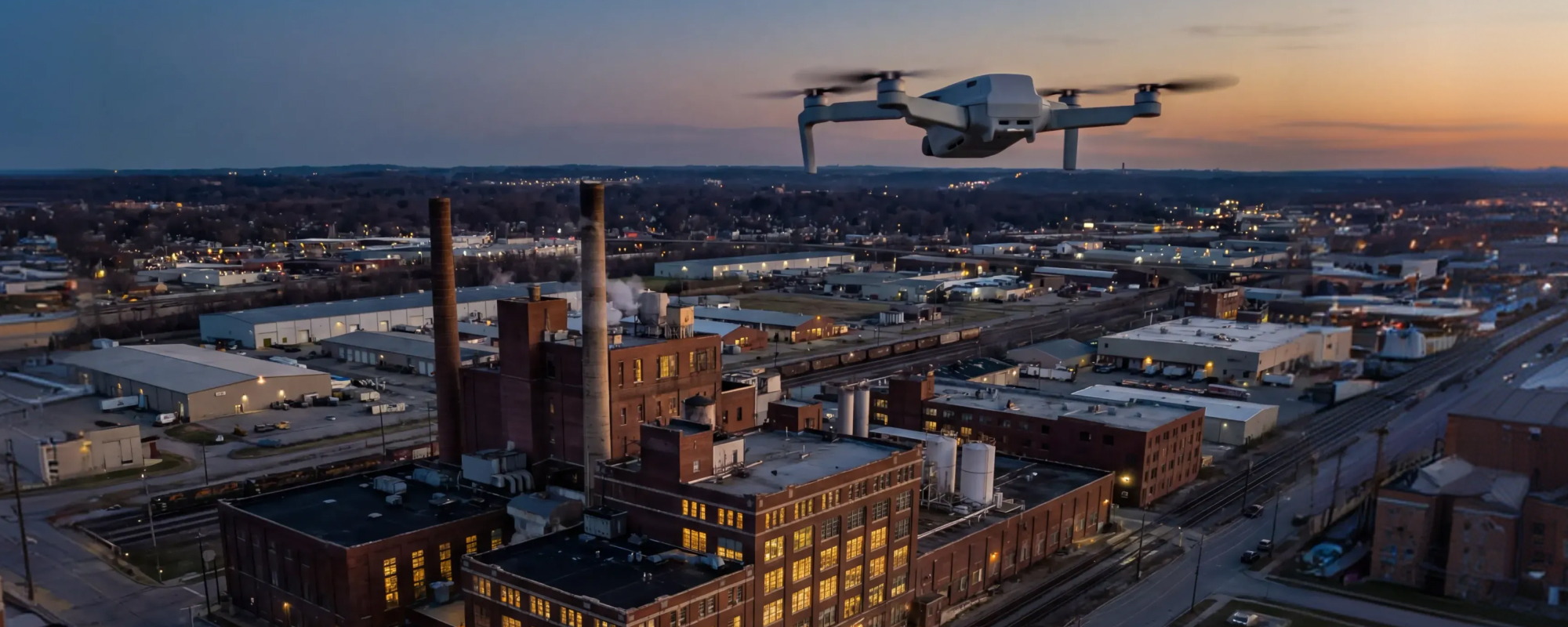
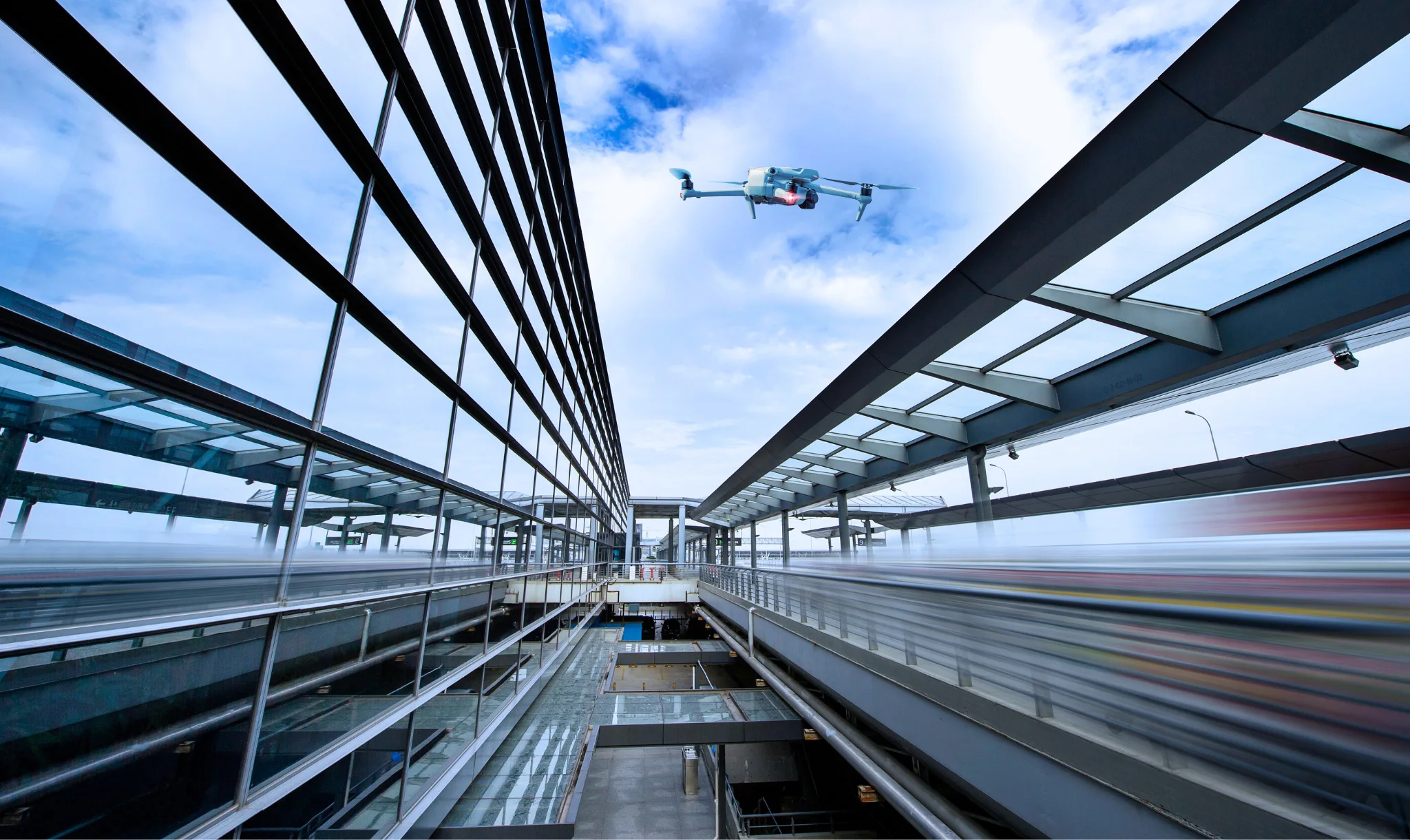
A growing problem is the use of drones. These can be used for both espionage and direct attacks. Drones are relatively accessible and difficult to detect. Both public spaces and private companies are potential targets.
Comprehensive threats to critical infrastructure include:
- Cyberattacks: Bypassing security protocols
- Natural Disasters: Destruction by extreme weather
- Terrorism: Targeted physical attacks
- Drones: Espionage and sabotage
- Sabotage: Internal or external intentional damage
To counter such threats, a multidimensional strategy is required. It must encompass technological, human, and physical aspects. Protecting critical infrastructure demands constant vigilance and innovative solutions to stay ahead of evolving threats. International cooperation and the exchange of best practices are crucial to enhance protection globally.
Strategies and Technologies for the Protection of Critical Infrastructure
Protecting critical infrastructure requires a comprehensive and flexible strategy. This must include both preventive and reactive measures. Prevention involves identifying and rectifying vulnerabilities before they can be exploited. Reactive measures involve a swift and efficient response to threats.
One of the fundamental strategies is risk and infrastructure management. Effective management means regularly assessing risks and implementing risk mitigation plans. Protection plans must be updated regularly to address new threats. This often requires close cooperation between public and private stakeholders.
Technological innovations play a crucial role in protection. Advanced monitoring and detection technologies can identify potential threats early. These include drone detection systems, which can help quickly locate unauthorized flying objects. Technological solutions must be continuously developed to keep pace with the evolving threat landscape.
The use of artificial intelligence (AI) and machine learning (ML) significantly enhances security measures. These technologies can recognize patterns in large datasets and react to threats in real-time. They enable a proactive security strategy by predicting probable attack vectors and suggesting appropriate countermeasures.
An overview of key protective measures and technologies includes:
- Risk Management: Regular evaluation and adjustment of security plans
- Monitoring Technologies: Use of drone detection and other sensor technology
- Artificial Intelligence: Automated threat detection and response
- Cybersecurity Protocols: Protection of networks and data
- Collaboration: Public and private partnerships for threat defense
Employee training and awareness are equally important. Trained personnel can identify threats more quickly and respond appropriately. Training sessions should be held regularly to familiarize security personnel with the latest threats and technologies. A well-prepared individual can often be the last and crucial link in an effective security chain.
The protection of critical infrastructure is a dynamic and continuous process. It requires constant attention, adaptation, and the implementation of new technologies. Only through the combination of advanced technologies, effective management strategies, and trained professionals can critical infrastructures be effectively protected.
Drone Defense and Airspace Surveillance in Germany
In recent years, drone defense in Germany has gained increasing importance. With the proliferation of unmanned aerial vehicles, the need to effectively monitor and protect airspace is growing. Both civilian and military infrastructures are exposed to potential threats from drones, necessitating a targeted defense strategy. Drones can penetrate security-critical areas, spy on data, or even carry out physical attacks.
Germany relies on a combination of technological and organizational measures to secure its airspace. The federal government works closely with industry partners and neighboring European countries to develop and implement drone defense and airspace surveillance technologies. These measures target unauthorized drone flights and help identify potential threats before they can cause harm.
A comprehensive drone defense strategy includes the following elements:
- Detection Technologies: Use of radar and sensor systems for early drone detection.
- Jamming Systems: Technologies that disrupt drone communication, thereby interfering with drone control.
- Legal Frameworks: Development of laws to regulate drone use.
- Central Coordination: Oversight by national authorities to ensure a unified strategy.
To ensure the effectiveness of drone defense, public awareness is also crucial. Citizens operating drones must be aware of potential dangers and applicable regulations. The Bundeswehr (German Armed Forces) and security authorities collaborate to optimize both preventive and reactive measures. This ensures that critical infrastructures such as hospitals and energy supply networks are protected, while simultaneously keeping airspace safe.
The Role of Authorities, the Bundeswehr, and Private Actors
Authorities play a crucial role in protecting critical infrastructure. They issue regulations and coordinate measures to secure facilities such as transportation networks and energy supplies. Security agencies monitor potential threats and develop strategies to maintain safety. Cooperation between countries strengthens these efforts, as threats often know no borders.
The Bundeswehr is also a key player in protecting critical infrastructures. In crisis situations, it can provide rapid and effective support. It possesses the necessary resources and expertise to respond quickly in cases of natural disasters or attacks. Furthermore, the Bundeswehr works closely with civilian agencies to develop and implement protection plans. The interplay of military and civilian forces forms a robust network for national security.
Private actors are essential for effectively implementing security measures. Companies in the technology and security sectors develop innovative solutions for threat defense. These innovations include drone detection and cybersecurity solutions. Furthermore, private security services are often directly on-site to ensure the physical protection of facilities. A successful partnership between public and private actors promotes a holistic security approach. This collaboration creates synergies necessary to address the diverse challenges of infrastructure security.
Challenges in Infrastructure Management and Resilience
Infrastructure management faces the challenge of withstanding growing and diverse threats. Natural disasters such as floods and earthquakes can cause widespread damage. Additionally, technological developments require continuous updates to existing systems. These adjustments are essential to keep pace with new challenges and close security gaps early.
Another important aspect is the resilience of infrastructures. This includes the ability to recover quickly from disruptions. This means not only physical reconstruction but also the restoration of digital services. A resilient infrastructure can react more quickly to incidents and resume operations. This resilience requires integrated emergency plans and regular testing to ensure operational readiness.
The increasing interconnectedness of systems also poses a challenge. Infrastructure components are increasingly linked, which increases complexity. A system failure can lead to far-reaching consequences. To prevent this, close cooperation between various stakeholders is necessary. The exchange of information and best practices helps to strengthen overall security and resilience. Sustainable security strategies are crucial for successfully addressing the challenges in infrastructure management.
Future Outlook: Innovations, Collaboration, and Sustainable Security
Protecting critical infrastructure demands innovative and effective solutions, particularly in drone detection and defense. As a leading provider, Security-Airline offers tailored technologies specifically designed to identify and counter threats from unmanned aerial vehicles. These solutions are crucial for the comprehensive protection of vital infrastructures such as energy supply networks, communication systems, and transportation infrastructure. Our advanced drone detection technology enables early identification of potential threats and appropriate response. At a time when risks to critical infrastructure are continuously growing, collaboration with specialized providers is essential to ensure the security and resilience of our systems. For more information on our drone detection & defense, please find it HERE.
Drohne + Ladestation
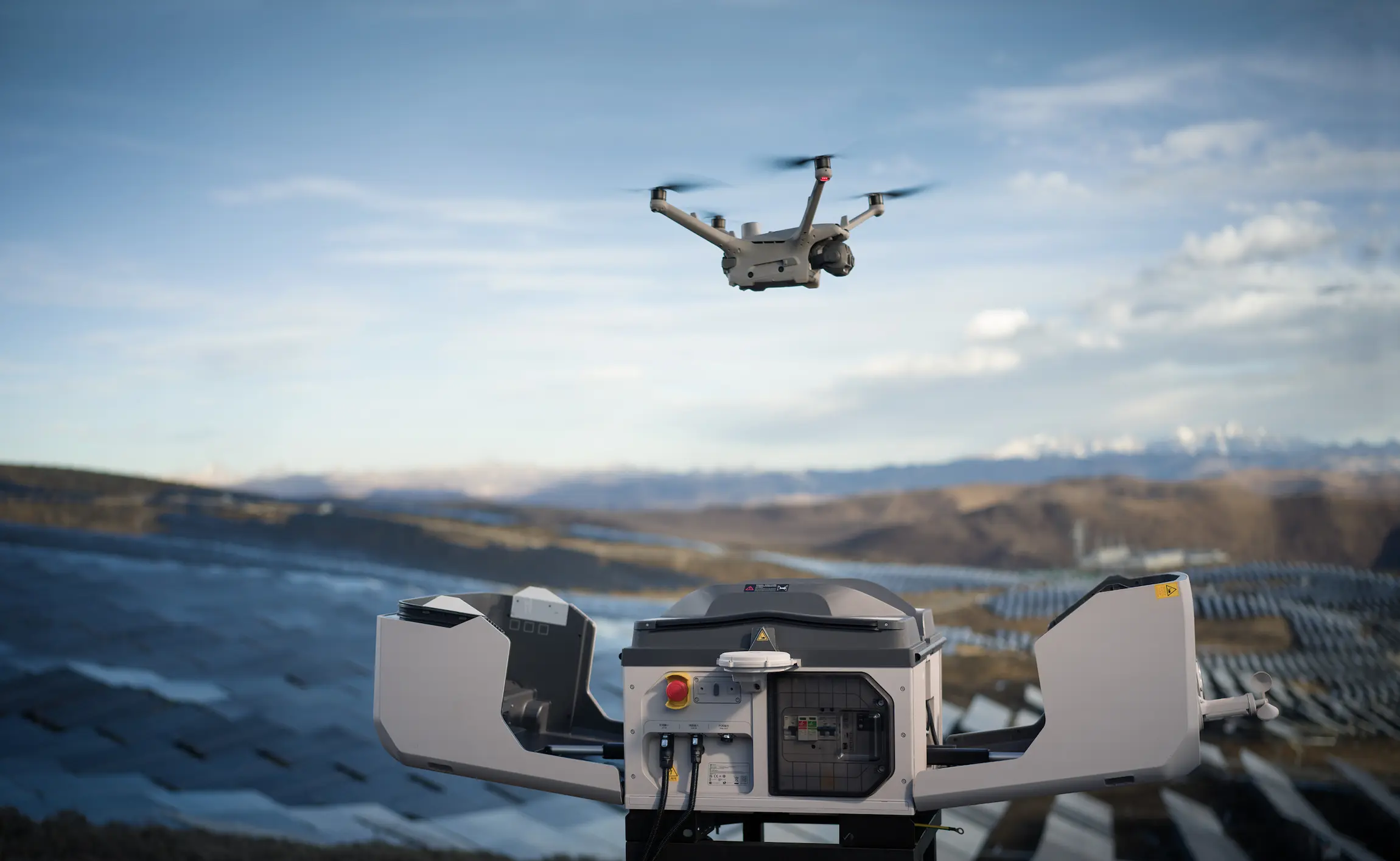
Drohne + Ladestation
Ihr Gelände verdient mehr als Standard-Sicherheit.
Möchten Sie die Sicherheit an Ihrem Standort mit einer Überwachungsdrohne, oder Drohnendetektion erhöhen und dabei Kosten einsparen?
Sie haben Fragen? Nutzen Sie unsere kostenlose Erstberatung!

.svg)
.png)





.webp)