Drone over intoxication in Stederdorf: How Security Airline protects the chocolate factory after the series of fires
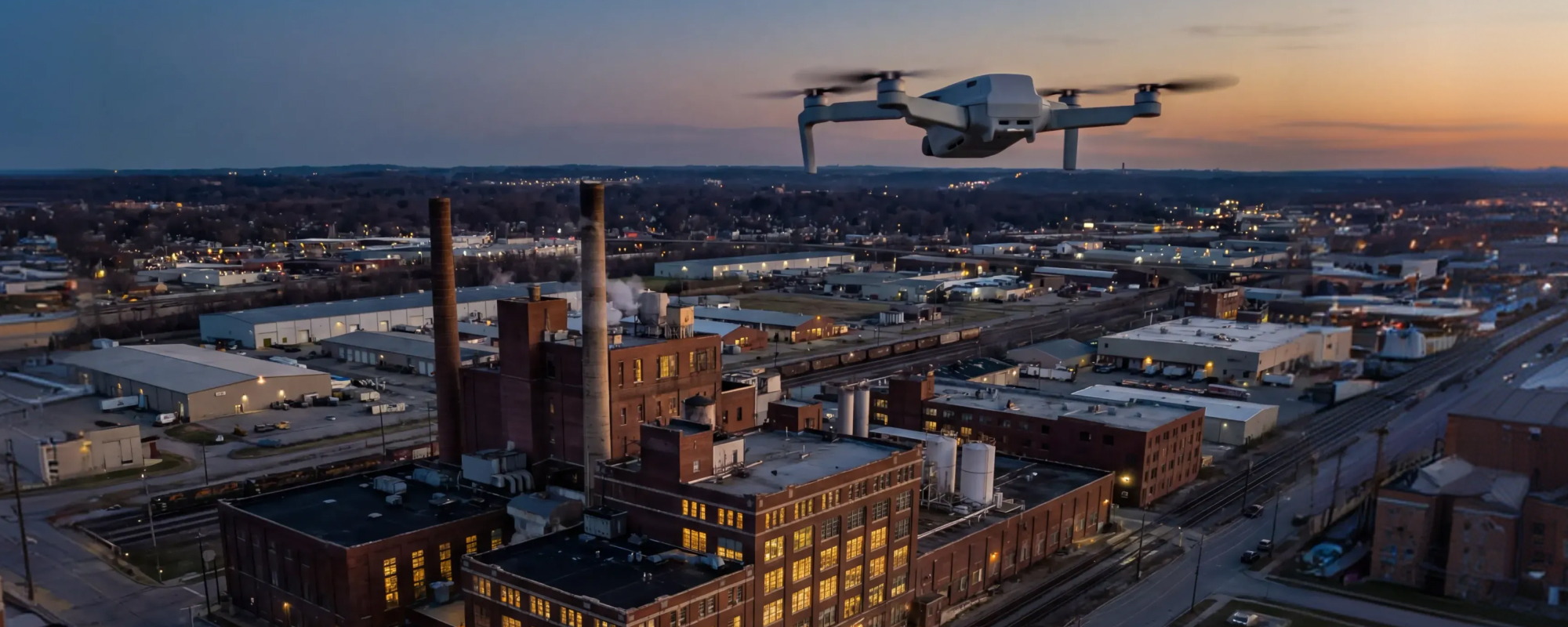
A small, white drone circles over the premises of the Rausch chocolate factory in Peine-Stederdorf at irregular intervals. It takes off from a station like a robotic lawnmower, flies its patterns, lands again. There is no pilot to be seen. What initially unsettled residents is in fact a lesson about modern property protection. Braunschweiger Zeitung was published on April 8, 2026 described in detail in the local section of Peine and thus made public for the first time that the Rausch GmbH after a series of arson attacks in Stederdorf together with Security Airline from Berlin has a semi-automatic surveillance drone deployed.
For us, the case is more than just a local headline. It shows how a drone works on company premises today, what it is allowed to do and what it is not allowed to do, and why deterrence from a bird's eye view is the most economical answer to growing security risks for many companies. In this article, we contextualize the Braunschweiger Zeitung's coverage and show what professional drone monitoring looks like in practice.
Series of fires in Stederdorf: The reason for drone use
Stederdorf, a district of Peine in Lower Saxony, has been affected by a series of notable fires in recent years. In September 2024, the discount store on Wilhelm-Rausch-Straße burned down, just one of several fire reports that made headlines in the region and caused significant nervousness among residents and companies. It is precisely in this area that the Rausch GmbH factory premises are located along the Heseberg, Wilhelm-Rausch, Sprengel, and Heinrich-Hertz roads.
“We wanted to act preventively,” the Braunschweiger Zeitung quotes Rausch spokesperson Miguel Karrasch. Managing Director Thomas Seeliger adds: “Its purpose is to deter.” It is precisely this objective of preventing damage from occurring in the first place instead of only reacting after an incident that is at the core of every modern security strategy for industrial sites. A surveillance drone transfers protection from the fence into the air, and thus to where static cameras are inherently blind.
The solution: Semi-automatic drone out of the box, operated by Security Airline
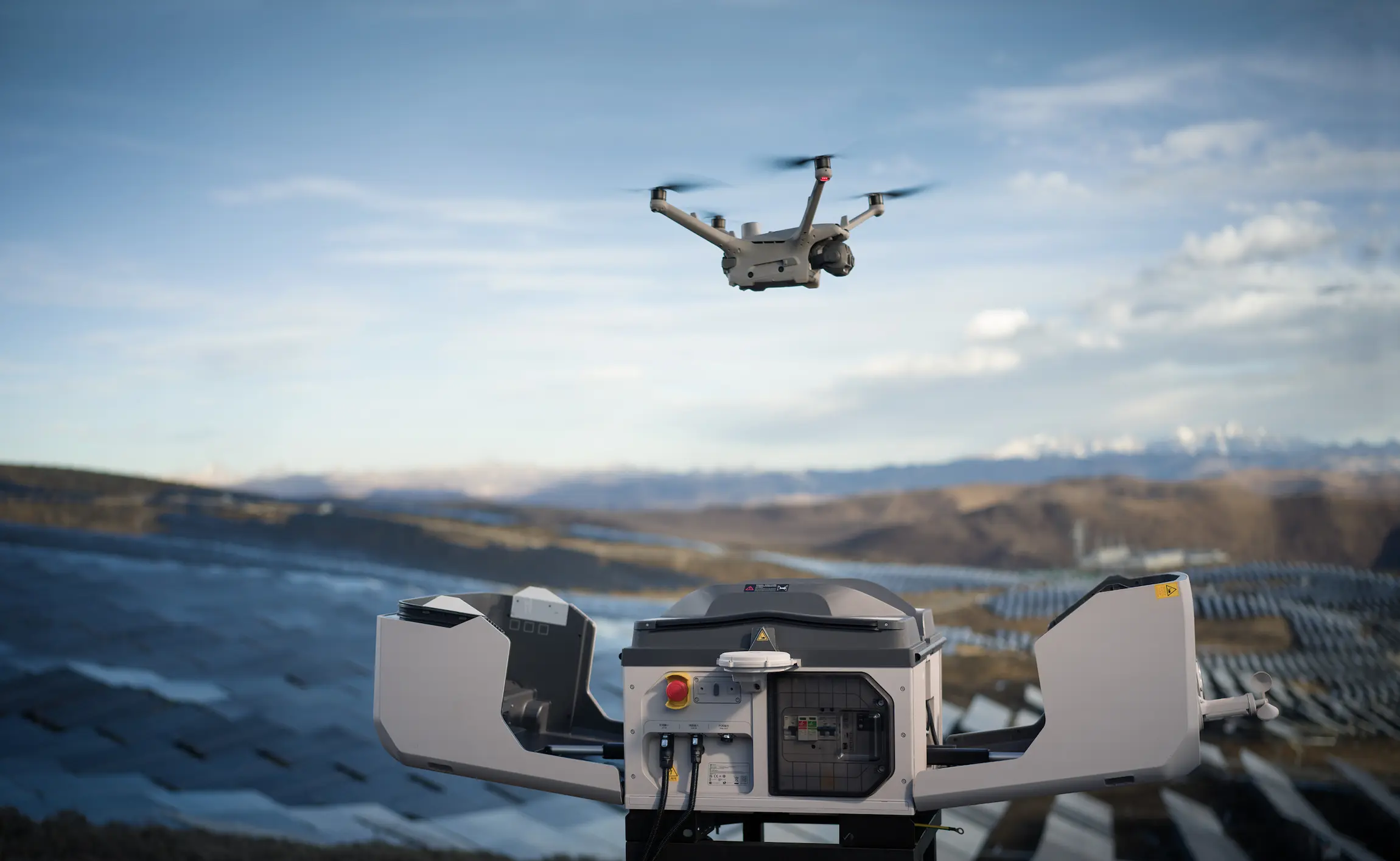
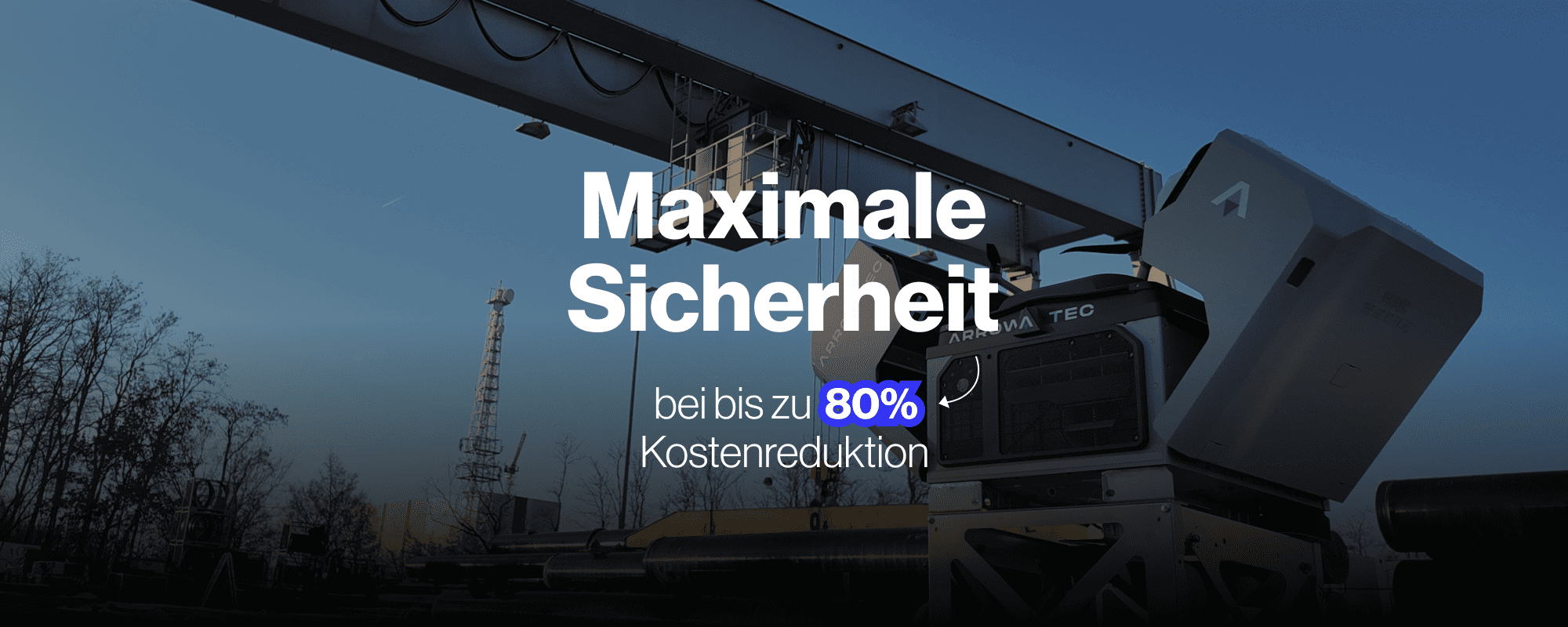
When asked by the newspaper, Rausch explains how the system is structured. A semi-automatic surveillance drone, approximately 70 by 70 centimeters in size, flies over the company premises. It starts from a station with its own weather station, which, according to the press photo, can be parked on a pallet virtually anywhere. This construction is in line with the classic drone-in-a-box concept, such as Security Airline for automated drone monitoring uses on industrial and KRITIS sites.
Karrasch literally in the Braunschweiger Zeitung: “We work closely and trustingly with our partner Security Airline (security-airline.com) from Berlin. Among other things, the provider monitors and protects critical infrastructure in Germany.” The drone's flights are controlled remotely. Alerts and error messages are not received by the customer, but by the Security Airline security control center. There, they are processed by trained personnel.
Why there is no pilot on site
The drone flies at irregular intervals without a pilot standing on the ground. That is exactly the decisive economic lever: A single, remotely operated system replaces a large part of the night patrols that a traditional security service would have to travel in district and property protection. And it provides a perspective that no person can take on foot. From a bird's eye view, abnormalities on the perimeter of an industrial site can be seen much earlier and on a larger scale.
What is the drone really filming? Thermal camera instead of face recognition
The most important point for residents and data protection officers: What does a drone actually see on company premises? Rausch spokesperson Karrasch is clear in the Braunschweiger Zeitung: “The drone is filming exclusively on the property.” And further: Only one is used thermal camera, which only provides thermal images, not sharp images of people.
This is not a technical detail, but the core of the data protection concept. A thermal imaging camera recognizes people and vehicles by their heat signature, not by their face or license plate. It is ideal for detecting movements, sources of fire and unauthorised entry without generating identifiable personal data. “No personal data is stored,” emphasizes the Rausch spokesperson.
Quadrocopter with precisely adjustable field of view
In the newspaper article, Karrasch also explains why a quadcopter is deliberately used: “The quadcopter drone type allows the viewing area to be adjusted so precisely that the camera, for example, does not film areas that do not belong to the company premises.” Unlike a fixed mast camera, which could look diagonally across the fence at public sidewalks, a flying platform can be aimed precisely at your own property. In effect, this even protects the privacy of one's own employees.
GDPR and drone law: What is allowed when monitoring drones
Who a safety drone used commercially, must comply with two sets of rules at the same time: the General Data Protection Regulation (GDPR) and the EU drone regulation with the national requirements of the Federal Aviation Office. The Rausch case shows how both can be implemented cleanly in practice.
Filming yes, but not in public space
The following applies to all private or business video and drone surveillance: Cameras must not film in public spaces, and signs must be displayed as normal. According to the Braunschweiger Zeitung, large banners hang on the company fence pointing out the use of drones. In combination with a thermal camera and exclusive storage of heat-based movement data, the system is therefore set up in accordance with GDPR.
Flying over public roads: allowed but subject to conditions
A common misconception: Flying over public sidewalks is not generally prohibited in Germany. It is not primarily the flight altitude that is decisive, but the horizontal distance that must be maintained from people. It is clear that people must not be filmed against their will. On the website of the Lower Saxony State Authority for Road Construction and Transport, commercial operators can find guidelines, requirements, and approval channels.
For companies planning a similar step, it is worthwhile to establish a robust security concept with drone integration, ideally together with a specialized provider such as Security Airline, which covers law, technology, and control center connectivity from a single source.
Deterrence as an operating principle: Why visible drones prevent damage
“It should scare off,” says managing director Thomas Seeliger in the Braunschweiger Zeitung. This principle is central to modern security doctrine: An actual fire, a cut fence, or a stolen cable harness is always more expensive than an incident that is prevented from happening in the first place. A visibly flying drone unequivocally signals to potential perpetrators that the site is being actively monitored, in a way that cannot be disabled with a thrown stone or spray paint.
Karrasch adds in the report: “We believe that deterrence, when drones are deployed, increases the sense of safety.” This effect had already been observed locally. A surveillance drone thus performs two functions at the same time: detection of acute incidents and prevention through visible presence.
Citizen dialogue and transparency: What the Rausch case teaches other companies
Local resident Servin Mercan, who lives near the Hesebergweg, describes his discomfort in the Braunschweiger Zeitung: He regularly walks in the area and does not want to be filmed doing so. His primary concern isn't the lack of information that a drone is flying. Signs are posted on the fence, yes. Instead, he lacks a direct point of contact that concerned citizens can reach out to.
This is exactly where an important lesson lies for every company that introduces drone monitoring: Transparency is part of the security concept. In the newspaper article, Rausch explicitly expressed a willingness to engage in dialogue. “We are always open to dialogue and guarantee maximum transparency regarding drone usage.” All operators should adopt this approach: clear signs, a published contact address, a brief public statement about the purpose, types of data, and storage policies.
Three recommendations for companies using drones on company premises
- Create visibility: Transparent information on the fence, supplemented by brief information on the company website.
- Designate a contact person: Telephone number or email of a specific individual for inquiries from the neighborhood.
- Explain the technological choice: Make it clear that the drone only flies on your own property and what sensors (e.g., thermal cameras) are used.
From chocolate factory to critical infrastructure: What other industries can learn
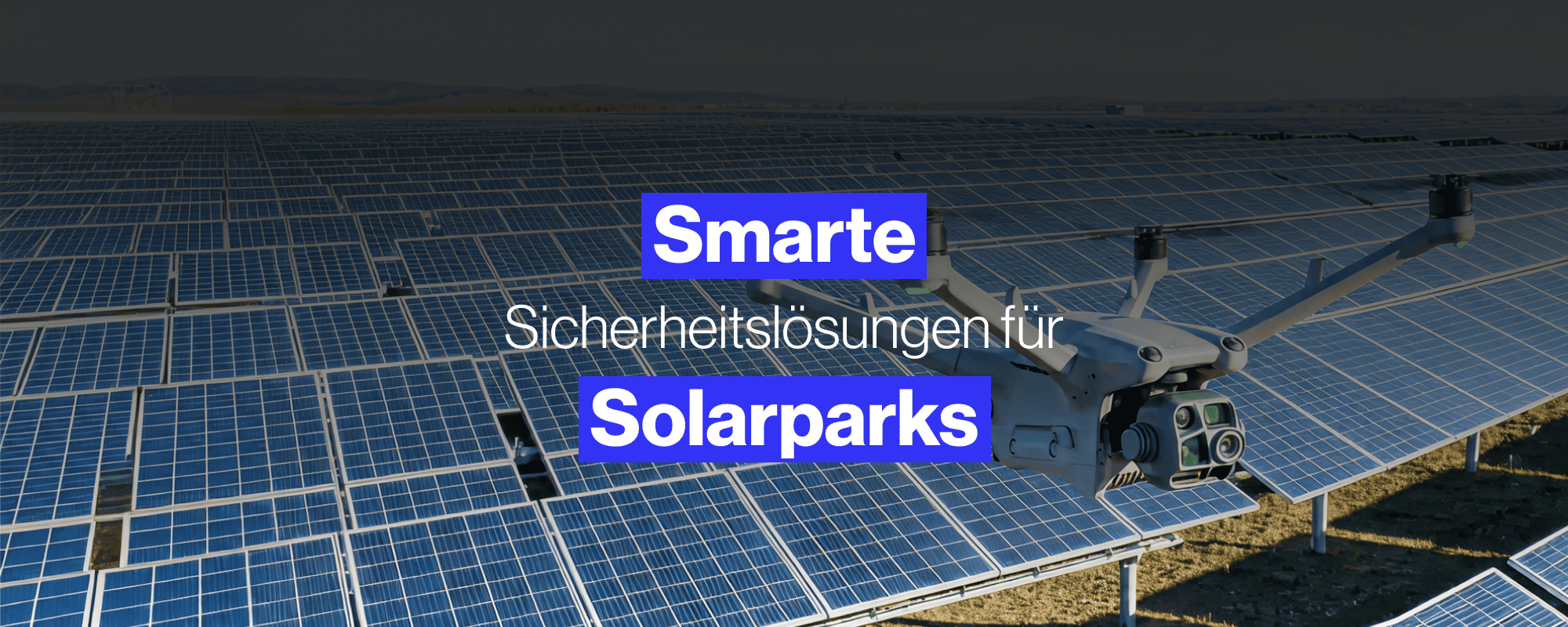
The Rausch case is exemplary because the company is not a KRITIS company in the strict sense of the word and yet shows how advanced professional drone monitoring has now become in medium-sized companies. Anyone who operates logistics centers, solar parks, energy plants, or recycling centers faces structurally similar challenges: extensive outdoor areas, high asset values, costly security services, and increasing risks of sabotage and theft. With the CRITIS umbrella law 2026 operators of critical infrastructures have additional mandatory physical resilience requirements, including verifiable detection and response.
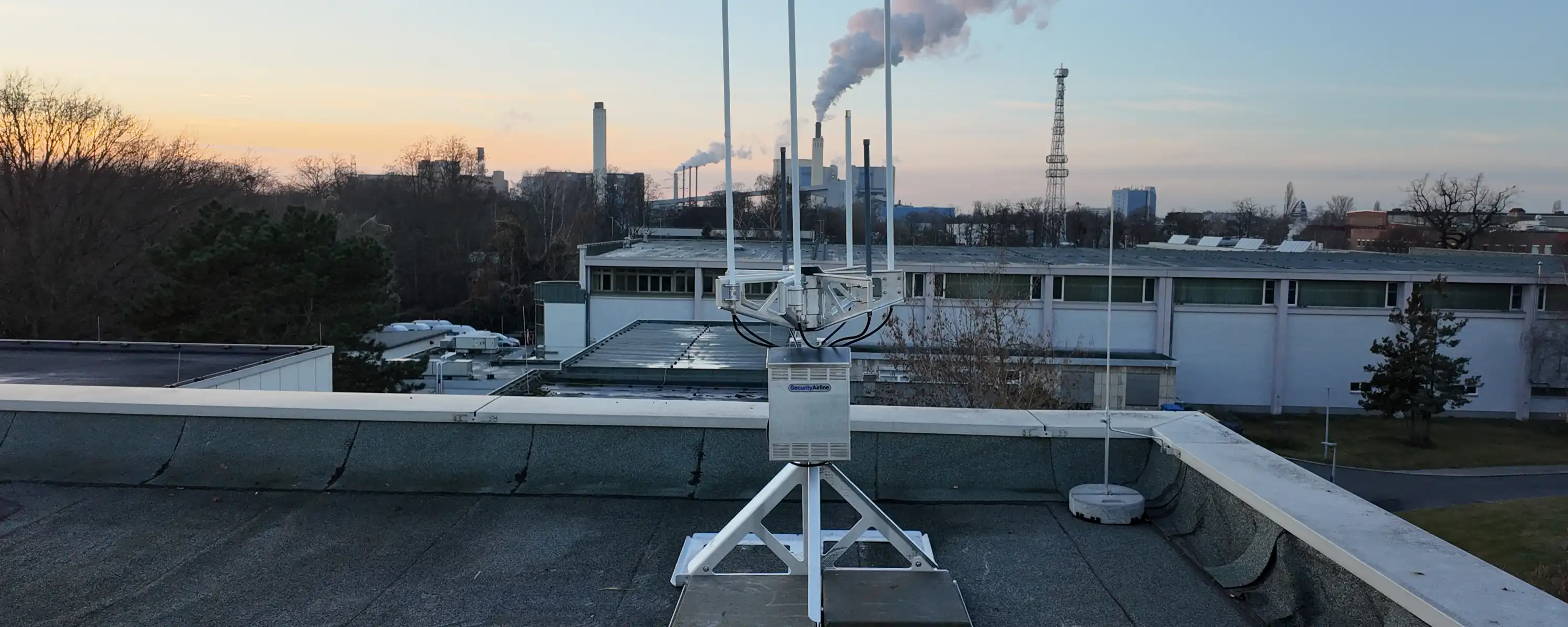
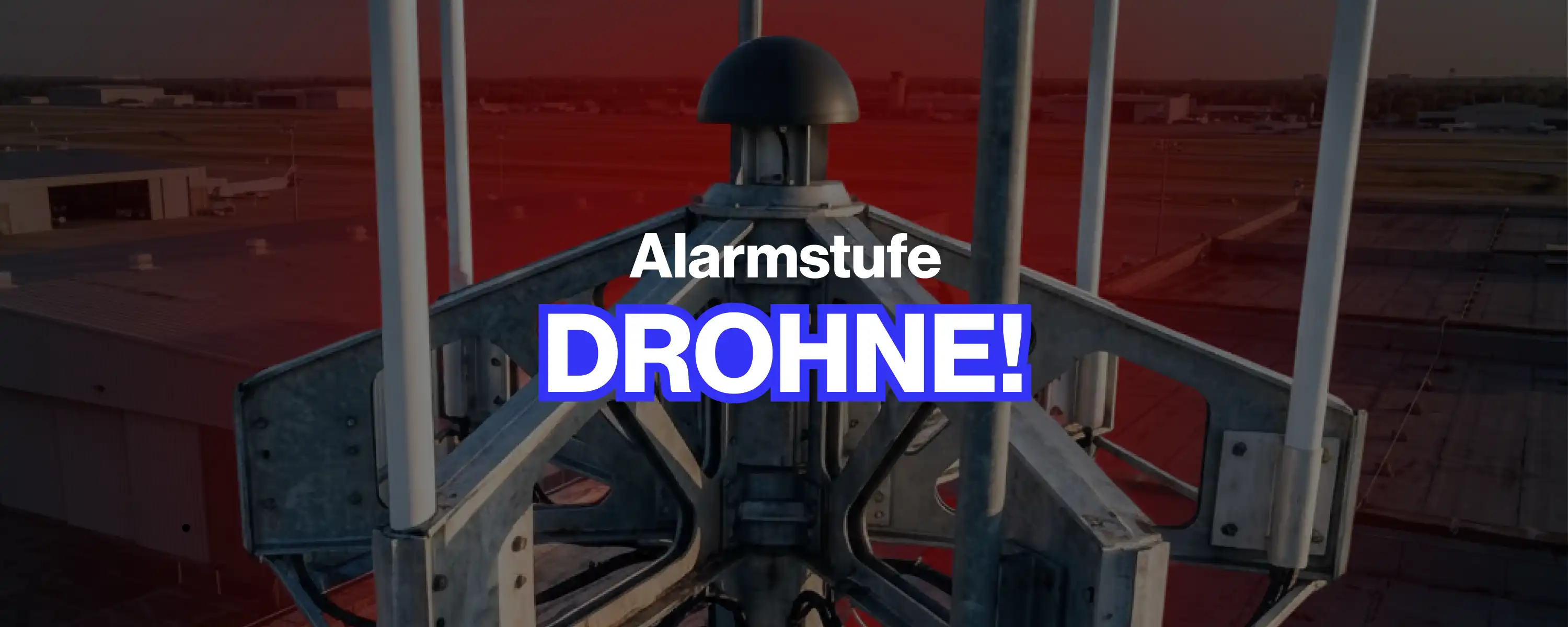
One autonomous security drone provides several levels of protection within a single system: perimeter monitoring, alarm verification as Drone First Responder, early fire detection via thermal imaging, and, if third-party drones come into play, connection to specialized systems for Drone detection and drone defense. This integrated approach is precisely how Security Airline protects industrial customers like Rausch, as well as operators of critical infrastructure in Germany.
Conclusion: A lesson for modern property protection
The Rausch case in Stederdorf demonstrates how security, data protection, and residents' interests can be reconciled when companies adopt modern technology early and communicate transparently. One semi-automatic surveillance drone, operated by a specialized security control center, deters potential perpetrators, documents incidents in compliance with GDPR, and supplements traditional security services. For Industrial and logistics sites as well as critical infrastructure This is no longer a dream of the future but a living practice, as reported on April 8, 2026, in the Peine local section of the Braunschweiger Zeitung.
Are you considering whether a safety drone is also useful for your location? Talk to our specialists. We review your site, protection goals, and legal frameworks to develop a tailor-made concept. Get in touch now.
spring
Arne Grohmann: “Flying object over intoxication. What is behind it? A drone is circling over the grounds of the chocolate factory in Stederdorf. Citizens have questions. “, in: Braunschweiger Zeitung, Peine local section, Wednesday, April 8, 2026, page 20. Quotes: Miguel Karrasch (PR and Communications, Rausch Die Schokoladenfabrik GmbH), Thomas Seeliger (Managing Director Rausch), Servin Mercan (Stederdorf resident).
Drohne + Ladestation
Drohne + Ladestation
Ihr Gelände verdient mehr als Standard-Sicherheit.
Möchten Sie die Sicherheit an Ihrem Standort mit einer Überwachungsdrohne, oder Drohnendetektion erhöhen und dabei Kosten einsparen?
Sie haben Fragen? Nutzen Sie unsere kostenlose Erstberatung!

.svg)
.png)


.webp)