

Security fences: which fence really protects your industrial site?
A security fence forms the first physical barrier in perimeter protection. But a fence alone is passive and can be overcome. Only the right type of fence, the matching fence sensor and a multi-layer concept turn the boundary into real protection.


.png)






Why a security fence alone does not protect your site.
A fence marks the boundary but does not really stop anyone who is determined. Three structural weaknesses that a passive security fence without active protective elements cannot compensate for.
Passive barrier easy to overcome
A security fence is a passive element. Chain-link can be cut, any fence can be climbed or levered open. Without active protective elements the hurdle for an offender is only a matter of seconds.
No alert without sensors
A bare fence reports nothing. If it is climbed or cut, the incident goes unnoticed until damage has been done. Without a fence sensor or alarm fence there is no real-time detection, which is needed for a fast response.
No protection from above or against insiders
A fence only covers the area at ground level. It does not protect from above and not against people who already have access. The aerial perspective and a well-thought-out concept remain out of reach for a fence alone.
Security fences in detail: types, limits and activation.
Security fences are the physical barrier in perimeter protection and a central building block in a security concept for industrial sites and critical infrastructure. They define the boundary of the site, make access harder and signal that an area is protected. Besides the fence itself, other physical barriers count too, such as ditches, trees or bodies of water, which for example make vehicle access harder and seal off the site naturally.
There are clear differences between fence types. A construction fence is only suitable for short-term protection, for example during a construction phase, and offers hardly any protection in the long run. Chain-link fences are cheap but comparatively easy to cut or bend open. Double-wire mesh panels are considered the industrial standard for long-term projects. They are sturdy, hard to overcome and can easily be retrofitted with fence sensors. Which variant makes sense depends on the protection requirement, the size of the site and the planned period of use.
One point, however, is often underestimated: a fence is a passive element. Without active protective elements it can be cut, climbed or levered open, and nobody notices. Only activation turns the boundary into real protection. This is where fence sensors and the alarm fence come in. They detect attempts to climb, break through or sabotage and report the incident in real time. Modern fence sensors work with a low false-alarm rate because they distinguish between harmless influences such as wind or animals and a real attack.
In addition, motion detectors ensure that approaches are captured before anyone even reaches the fence. This creates a first detection layer directly at the perimeter. It is important to draw up a security concept that analyzes risks and weak points and determines where sensors bring the greatest benefit. The security fence is part of well-thought-out perimeter protection and open-area security.
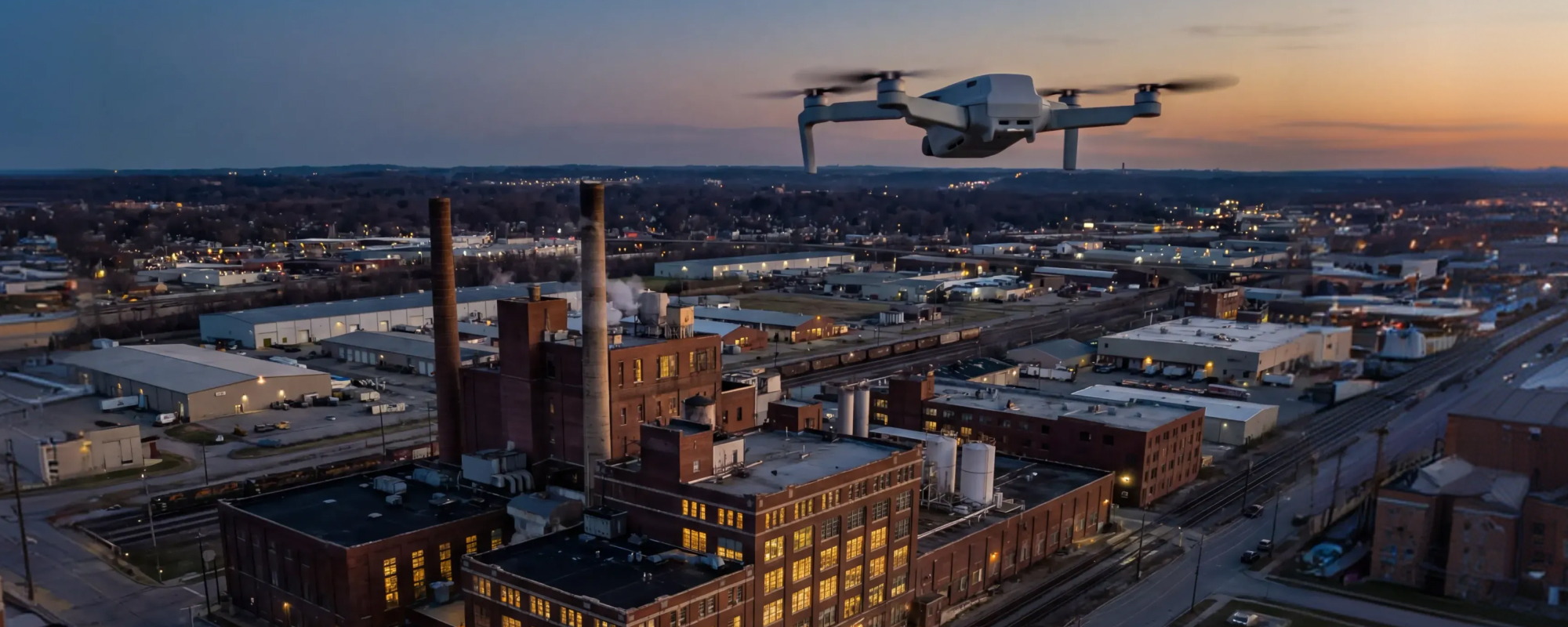
Yet even an activated fence has limits. It does not protect from above, and it is ineffective against insiders who already have access. This is exactly where the combination with the surveillance drone Arrow-401 LR3 comes in. From the aerial perspective it covers large areas and, with its thermal camera, delivers a real-time situational picture, even at night. Combined with the Security Dome for airspace security, a multi-layer concept emerges.
This multi-layer concept follows a clear logic: make access harder, deter, and detect offenders early before they reach critical areas. The fence hinders and delays access, the fence sensors detect the attempt, and the drone obtains a situational picture from the air. If the fence is complemented by surveillance cameras and a camera mast, continuous observation of the sensitive areas emerges. That is how individual components become a robust level of security.
For operators of critical infrastructure this is not only a question of security but also of regulations. We therefore recommend never viewing the security fence in isolation but as part of a concept that brings together physical barrier, sensors and surveillance from the air. That way you significantly reduce the risk of theft, sabotage and consequential damage such as interrupted power supply.
How does a passive fence become active perimeter protection?
We activate the security fence with sensors and add the aerial perspective. Instead of relying on a single fence we rely on a multi-layer concept, because:
The right fence as the basis
Double-wire mesh panels as the industrial standard, complemented by natural barriers. The physical hurdle delays access and deters, and can be retrofitted with sensors at any time.
Fence sensor activates the boundary
Fence sensors detect attempts to climb, cut or sabotage in real time and with a low false-alarm rate. Motion detectors capture approaches before anyone reaches the fence.
The drone delivers the situational picture
When an alarm is triggered, the surveillance drone checks the affected fence section from the air, also at night thanks to its thermal camera, and covers what the fence cannot: the area behind it and the airspace.
Multi-layer protection: fence, sensors and drone.
A security fence only takes effect in combination. These three components interlock: make access harder, detect the attempt, detect offenders early from the air before they reach critical areas.
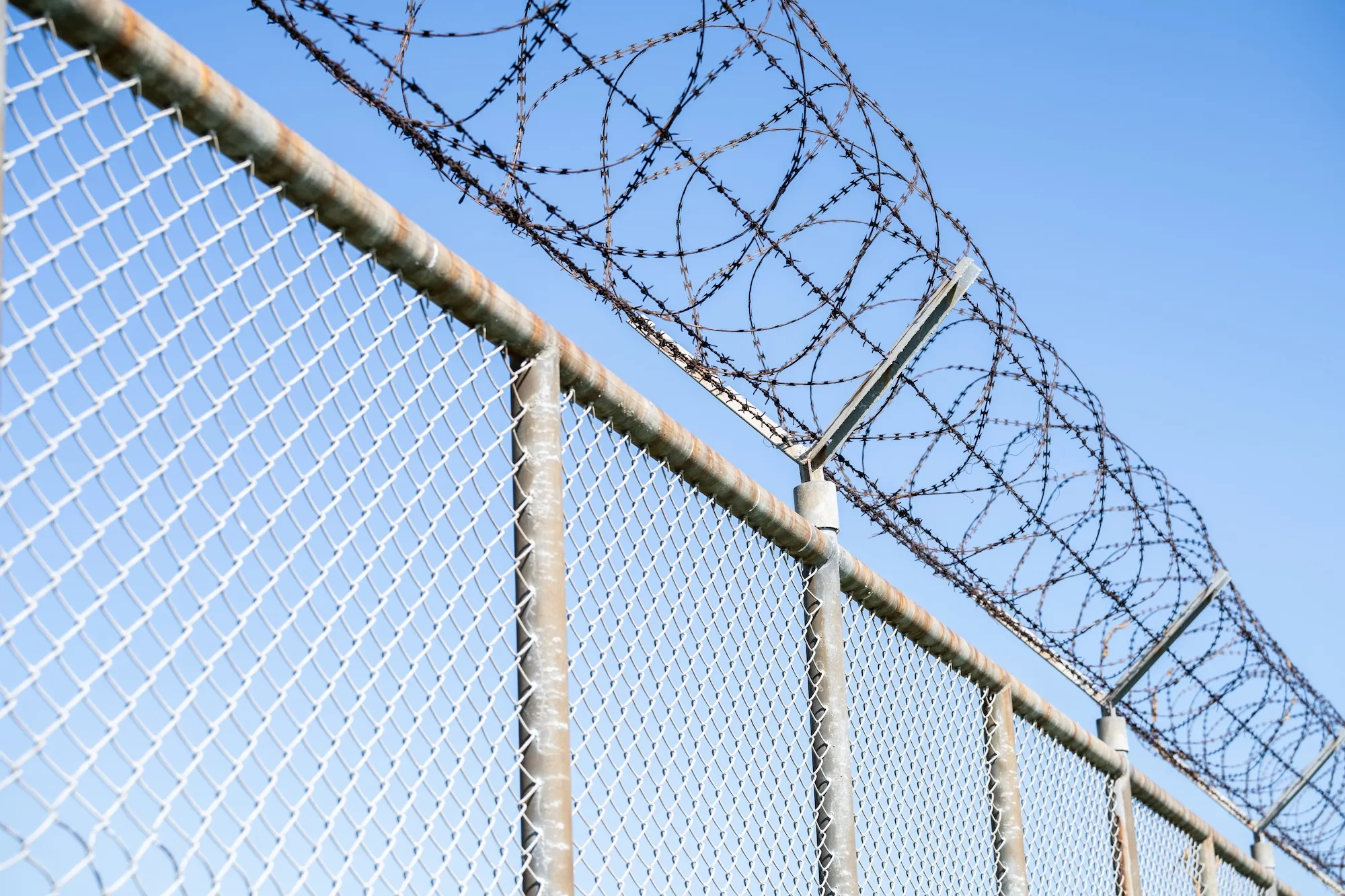
Security fence and physical obstacles
Double-wire mesh panels as the industrial standard, complemented by ditches, trees or bodies of water as natural barriers. The physical hurdle delays access and deters. Construction fences and chain-link are only suitable for short-term protection.
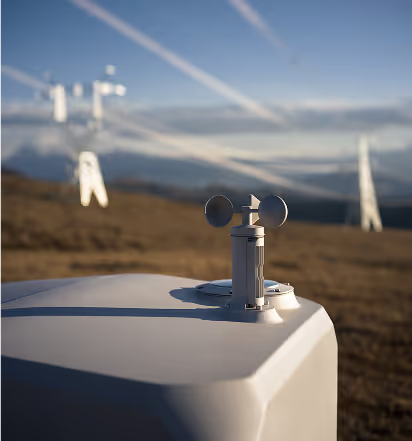
Fence sensor, alarm fence and motion detectors
Fence sensors turn the passive fence into an alarm fence. They detect attempts to climb, break through or sabotage with a low false-alarm rate. Motion detectors capture approaches before anyone reaches the fence.
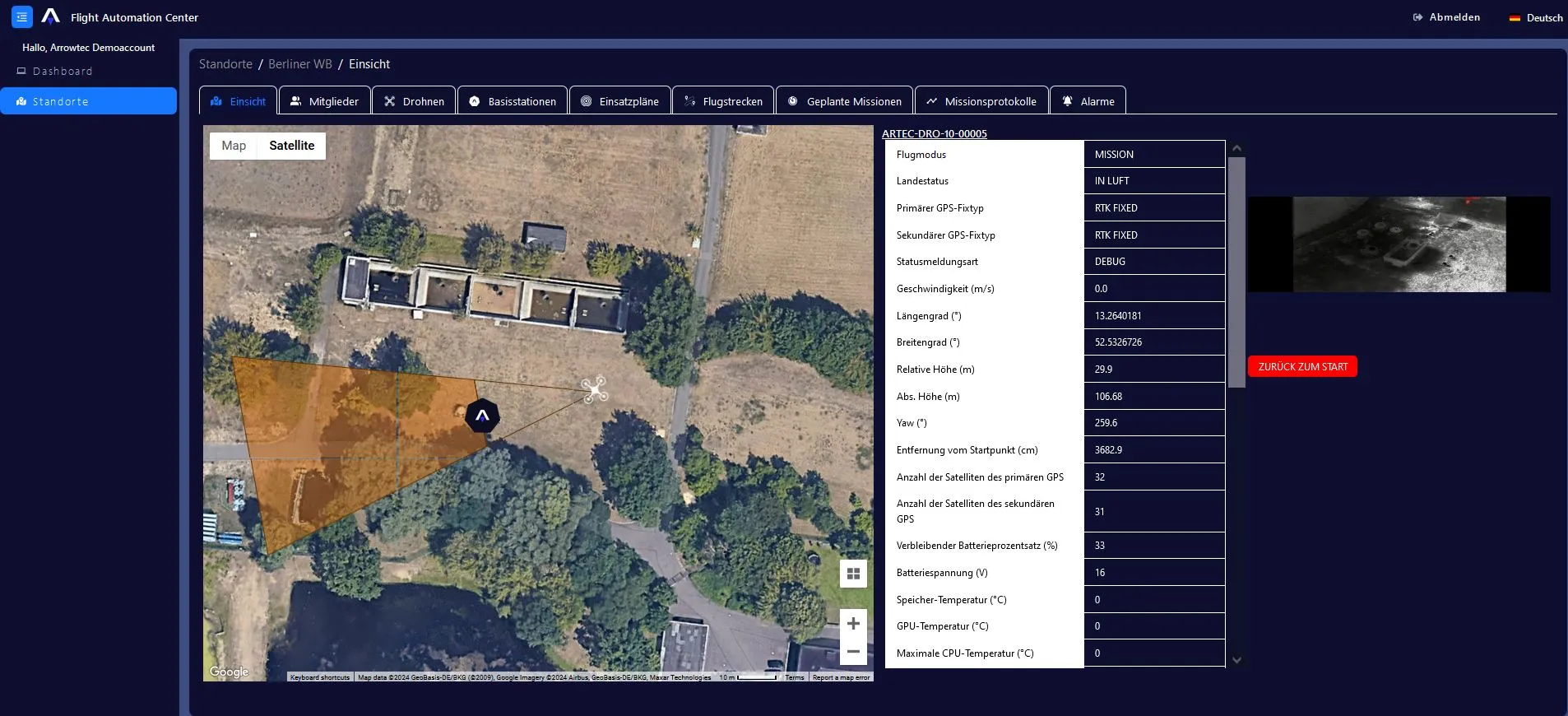
Arrow-401 LR3 surveillance drone
On alarm, the drone obtains a real-time situational picture from the air, with a thermal camera even at night. Together with the Security Dome for airspace security, a multi-layer security concept emerges.
From the fence to the finished security concept.
A security fence is only one building block. To turn individual components into continuous protection, we take care of planning, sensors and surveillance from a single source. You focus on your business, we take care of the perimeter.
150,000+ surveillance flights
Extensive experience in drone operations across all sites.
Initial consultation with security analysis
Free and without obligation, on site or remote.
Security concept (optional)
Multi-layer concept to raise the security level, including potential insurance savings.
Project planning & EU approval
Flight planning, alarm plan and approval across the entire EU, including Switzerland and Norway.
Redundant communication & UPS
So the drone reliably replaces other solutions, even during a power outage.
Installation of drone system & sensors
Integration with motion detectors, cameras and existing infrastructure.
Regular maintenance
We keep spare parts in stock and secure the availability of your drone surveillance permanently.
Proprietary software "Flight Automation Center"
Secure in-house development with intrusion AI for maximum detection quality.
Autonomous. Weatherproof.
Ready around the clock.
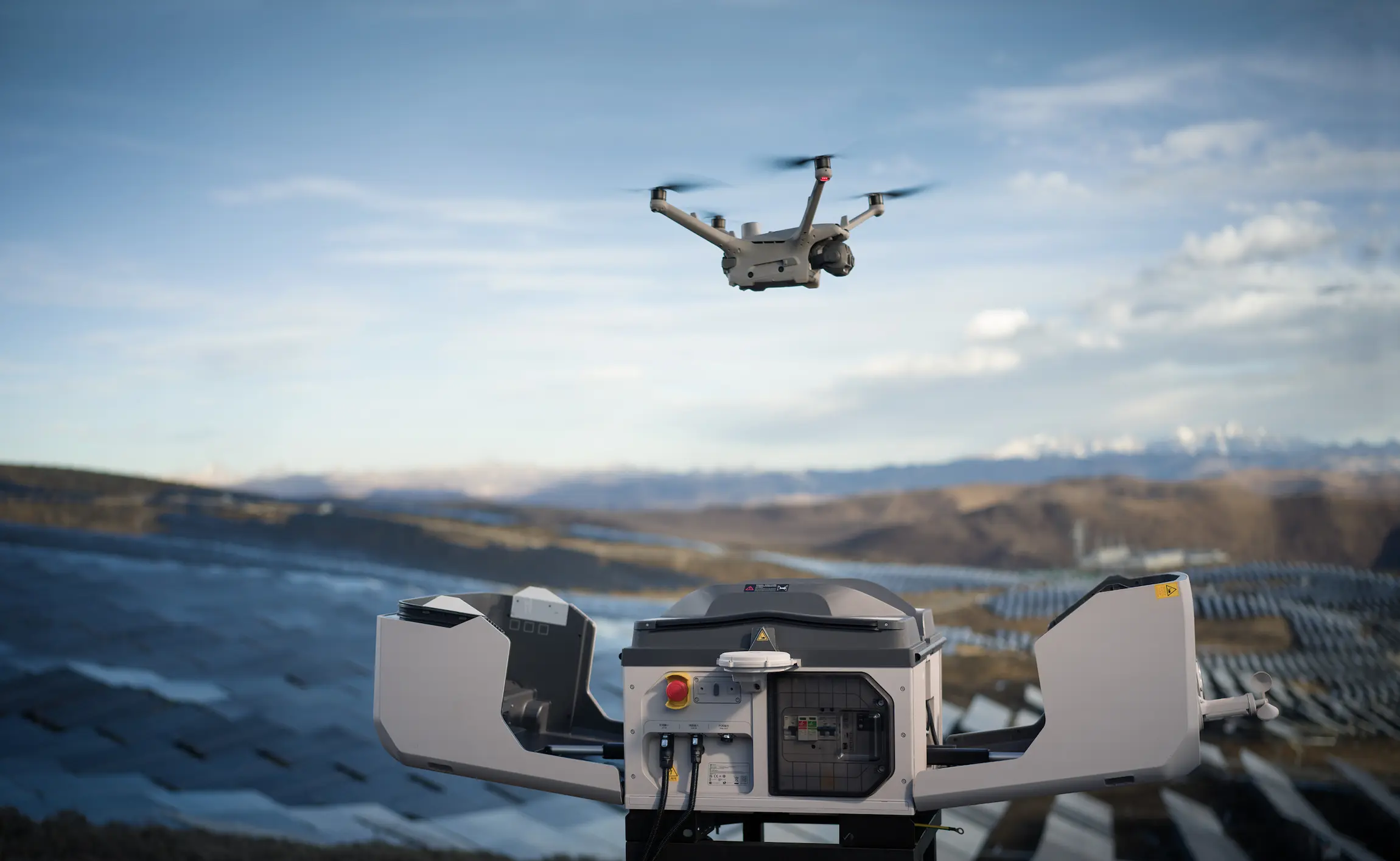
The Arrow-401 LR drone system launches on its own, when an alarm is triggered or at predefined patrol intervals. The system is fully operational at night, in wind or in sub-zero temperatures.
The rugged, VdS-certified drone is charged, protected and monitored in the integrated docking station. It handles climate control, telemetry and maintenance monitoring and thus ensures uninterrupted operation.
The result: less personnel effort, higher deployment frequency and significantly lower operating costs, especially for large, hard-to-see areas without permanent guard staffing.
Why our customers rely on drone monitoring
%201.avif)
Olaf Besser
Management
Heating network system technology from manufacturers YADOS. District heating stations and heating systems for efficient energy applications from Saxony.

Nowadays, it is increasingly important to work efficiently and cost-effectively. This also applies to entire facility management — this includes monitoring. The Security Airline system impressed us both in terms of price and technology.
Kathi Gerstner
(press spokesperson)
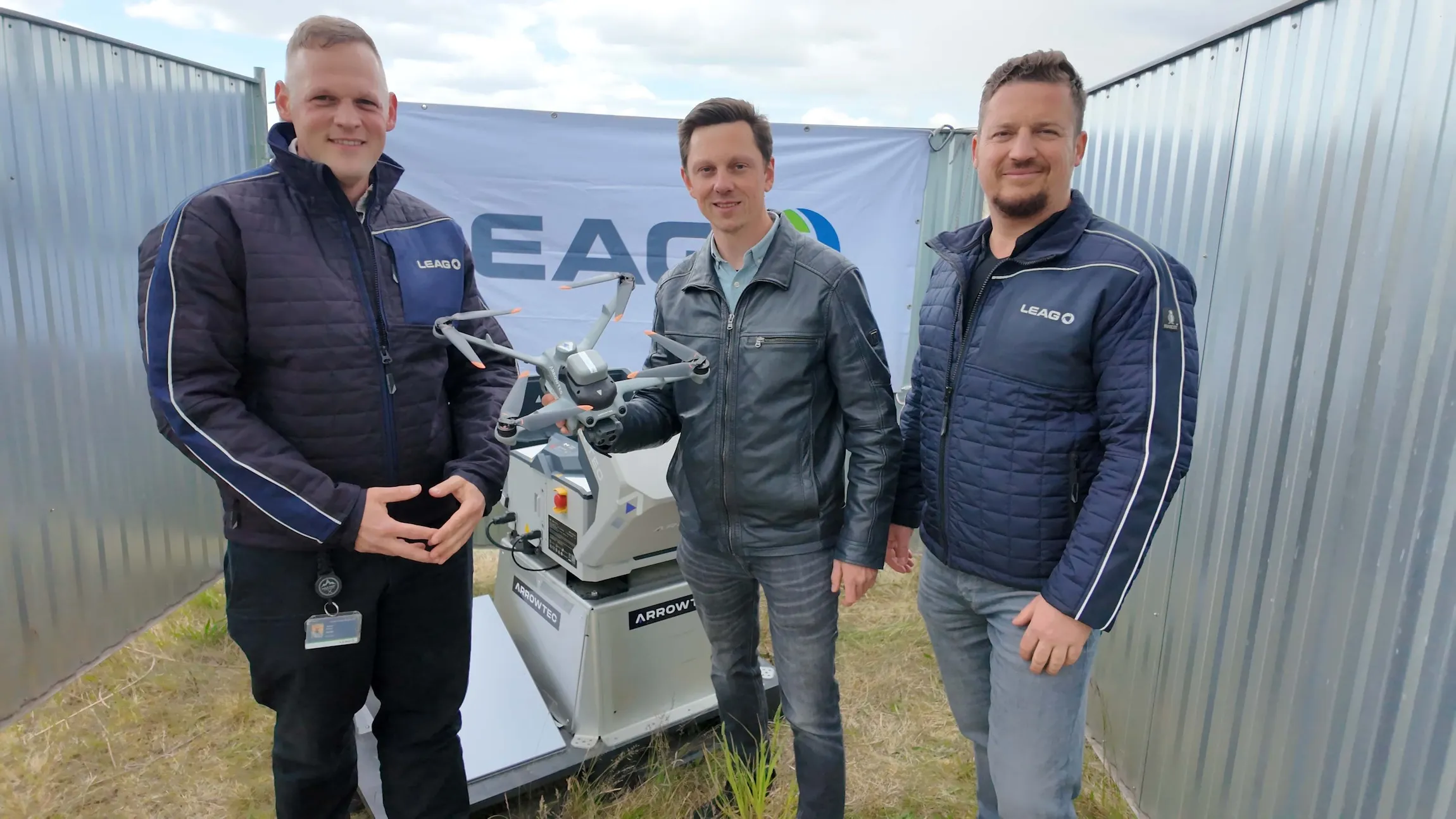
The LEAG Group not only provides electricity and heat. We offer companies, cities and municipalities a wide range of other products and services.
For several months now, the Lusatian energy supplier Leag has been using several Security Airline surveillance drones in combination with artificial intelligence to monitor its industrial plants more effectively and protect them from theft and unauthorised access.
Sebastian Hanne
Business Development Manager
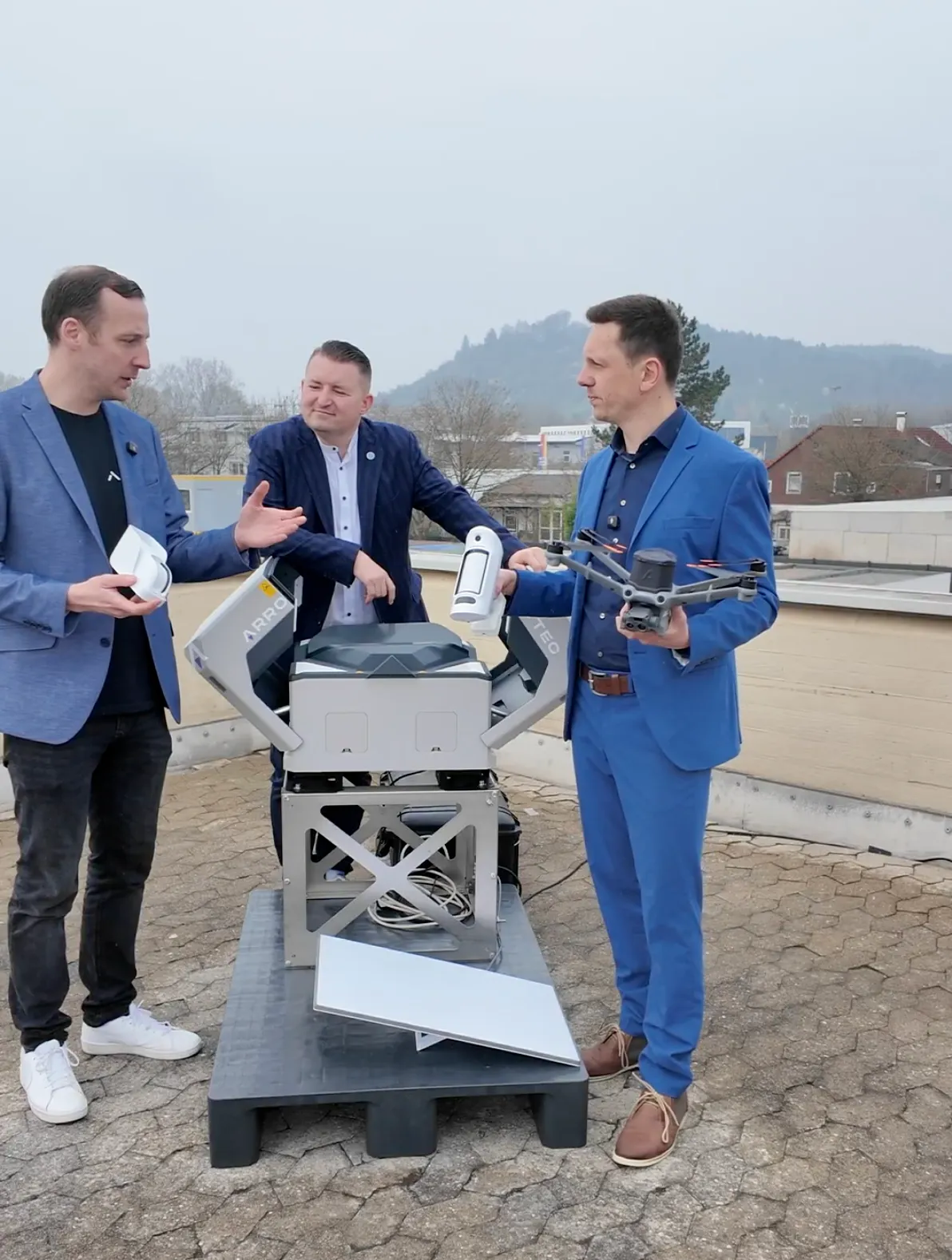
We offer burglary protection, convenience and automation, fire protection and security, and video surveillance. Everything integrated in one system.
Our sensors harmonize perfectly with Security Airline's drone system. After an alarm has been triggered via the infrared motion detectors, the surveillance drone flies fully automatically to the marked location and illuminates the area.

.svg)
.svg)